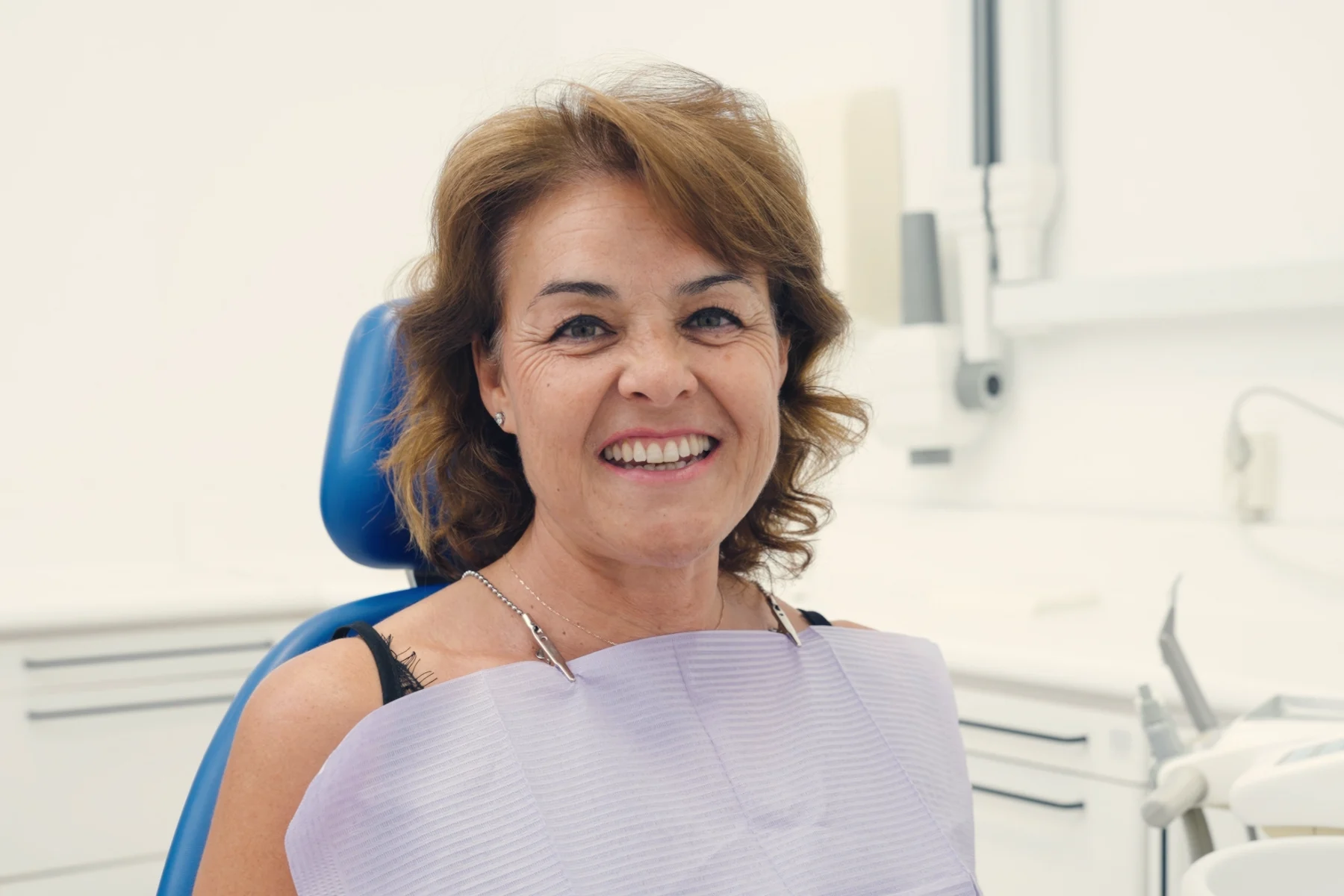
If you're enrolled in a Medicare Advantage plan in Florida, there's a question worth asking yourself: when was the last time you went to the dentist? If the answer is "more than a year ago" — or if you're not even sure whether your plan covers dental — you're not alone. Many Medicare Advantage enrollees across Florida have dental benefits built into their plan that they've never used.
This isn't a small thing. Dental health directly affects your overall health, especially as you get older. Gum disease has been linked to heart disease, diabetes complications, and respiratory infections. A dental problem that starts small can become painful, expensive, and dangerous if left untreated. And the irony is that for many Medicare Advantage members, the coverage to help prevent all of this may already be part of their plan — sitting there, waiting to be used.
In this guide, we'll walk you through exactly how Medicare dental benefits work in Florida, what the difference is between Original Medicare and Medicare Advantage when it comes to dental, how the dental rider inside your plan is actually structured — and most importantly, how to use the benefit you're already paying for before the year runs out.
Let's start with the biggest source of confusion. Original Medicare — Part A (hospital insurance) and Part B (medical insurance) — does not cover routine dental care. No cleanings. No fillings. No dentures. No exams. The only exceptions are extremely rare situations where dental treatment is directly connected to a covered medical procedure, like jaw reconstruction after an accident or an oral exam required before a heart valve replacement.
For the tens of millions of Americans on Medicare, this means that if you only have Original Medicare and nothing else, you are responsible for 100% of your dental costs. This surprises many people, especially those who had employer-sponsored dental insurance their entire working life and assumed Medicare would cover the same things.
It doesn't. And that gap is one of the main reasons Medicare Advantage plans have become so popular.

Medicare Advantage (also called Medicare Part C) is not a government program — it's a private health insurance plan approved by Medicare. When you enroll in a Medicare Advantage plan, it replaces your Original Medicare coverage. You still have Medicare, but your benefits are administered by a private insurance company — Humana, Aetna, UnitedHealthcare, and many others offer plans in Florida.
The key difference for dental: most Medicare Advantage plans in Florida build dental in as a rider — a separate section of your plan contract with its own rules, its own categories, and its own annual maximum. That rider is why two neighbors with the same insurance company can walk out with completely different estimates for the same treatment. It's also why you may already have dental coverage you're not using, simply because nobody ever walked you through it.
The specific dental benefits vary from plan to plan, but most Medicare Advantage plans with dental coverage in Florida sort treatment into three tiers — preventive, basic, and major — and cover each tier differently:
These are the basics — and they're typically covered at little or no cost to you. Think of them as the routine maintenance that keeps bigger problems from developing:
Preventive is the tier plans cover most generously, and it's usually the one that doesn't touch your annual maximum at all. If your plan covers preventive dental and you haven't had a cleaning in the last six months, you're leaving a benefit on the table. Two cleanings a year is one of the simplest, most effective things you can do for your dental health — and your plan is likely covering most or all of it.
When preventive care catches a problem — a cavity, a chipped tooth, early gum disease — these are the services that fix it before it gets worse:
These services usually involve a co-pay or coinsurance — meaning you pay a portion and your plan pays the rest — and they do draw down your annual maximum. The exact split depends on your specific plan.
This is where plans vary the most. Some Medicare Advantage plans cover major dental work, while others stop at preventive and basic — and where major work is covered, your share is usually larger. Major services may include:
Two things trip people up in this tier. First, waiting periods: if you enrolled recently, some plans won't pay for major work until you've been covered for a set number of months. Second, pre-authorization: most plans want the treatment plan submitted and approved in writing before the lab starts anything. Both are answerable in one phone call. We'll make that call for you, take our time with it, and you'll get a clear price in writing before we start.

Here's something many people miss: most Medicare Advantage dental benefits operate on a calendar year basis. That means you have a set amount of dental coverage available from January 1st to December 31st. On January 1st of the following year, it resets — but anything you didn't use is gone. It does not roll over.
This is especially important to understand if you need dental work. If you've been putting off treatment, every month that passes is a month closer to the end of the year when those benefits disappear. And if you wait until November or December to schedule, many dental offices are fully booked.
The smart approach: find out what your plan covers early in the year, get your preventive visits done in the first half, and plan any additional treatment with enough time to use your full benefit before it resets.
There are three ways to check your specific dental benefits:
1. Read your Summary of Benefits and Coverage (SBC). Your plan mails this document to you every year, usually in the fall before the new plan year begins. It lists every covered service, co-pay amounts, and any limits or exclusions. Look for the "Dental Services" section.
2. Call your plan directly. The phone number is on the back of your insurance card. Ask specifically: "What dental services are covered under my plan? What are my co-pays by category? Is there an annual maximum, and how much is left? Is there a waiting period for major services? Do I need prior authorization?"
3. Ask your dentist's office to verify for you. Many dental offices — including PureSmile Miami — will call your plan on your behalf and verify your exact benefits before your first visit, at no charge. This is the easiest option, because the office staff speaks the language of insurance billing every day and knows exactly what questions to ask. Write to us and we'll answer — in English or Spanish.
Mistake #1: Assuming you have no dental coverage. If you're on a Medicare Advantage plan, there's a good chance the dental rider is already in there. Don't assume — check.
Mistake #2: Skipping preventive visits. Preventive care is usually the most generously covered tier, and often the one that doesn't count against your annual maximum. Skipping your two annual cleanings and exams means walking away from care your plan has already accounted for, while raising the odds of developing something that costs real money to fix.
Mistake #3: Waiting until you're in pain. By the time a dental problem causes pain, it's usually advanced. What might have been a simple filling at your last cleaning could now be a root canal or extraction. Early detection through regular exams tends to save pain, time, and money.
Mistake #4: Not understanding in-network vs. out-of-network. Most Medicare Advantage dental riders run on a provider network. In-network, your plan pays against a contracted fee schedule and your share is smaller. Out-of-network, many plans reimburse against a lower allowed amount — or not at all — and the difference lands on you. Always confirm that your dentist participates in your plan's network before scheduling.
Mistake #5: Letting benefits expire. We can't say this enough: your dental benefits reset on January 1st. Use them or lose them.
Not every dental treatment will be covered by your Medicare Advantage plan. If your dentist recommends a procedure that isn't included in your rider — or if you've already reached your annual maximum — here are your options:
Ask about alternatives. Sometimes there's a less expensive treatment option that your plan does cover. A good dentist will explain all your options, not just the most expensive one, and give you room to think it over. No rush.
Plan across benefit years. If you need extensive work, your dentist can sometimes phase the treatment plan so that some procedures fall in the current year and others after January 1st — letting you use two annual maximums instead of one.
Ask about payment options. Beyond insurance, most offices work with PPO plans, cash pricing, and third-party financing. Ask what the treatment costs outright, ask what the monthly option looks like, and get both in writing before you decide.
We know that navigating insurance in a second language makes everything harder. If English isn't your primary language, look for a dental practice with bilingual staff who can explain your benefits, your treatment plan, and your costs in Spanish. You deserve to understand every aspect of your healthcare — not just the parts you can translate in your head.
At PureSmile Miami, our team will speak English and Spanish. When we open in Kendall, every patient interaction — from the first phone call to post-treatment instructions — will be available in the language you're most comfortable with. Tu salud dental merece ser entendida, no adivinada.
Original Medicare does not offer dental add-ons. However, you can purchase a standalone dental insurance plan separately, or you can switch to a Medicare Advantage plan that includes dental benefits during the Annual Enrollment Period (October 15 – December 7 each year). Talk to a licensed insurance agent or visit medicare.gov to compare plans available in your area.
Many Medicare Advantage plans include the dental rider at no additional premium beyond what you already pay for Medicare Part B. However, you may still have co-pays or coinsurance for certain services. The exact cost structure depends on your plan — check your Summary of Benefits or call your plan for details.
It depends on your plan type. HMO plans may require you to select a primary dental provider. PPO plans typically let you see any in-network dentist without a referral. Separately from referrals, major treatment often needs prior authorization — that's a plan decision, not a referral, and your dental office usually handles it. Check with your plan to understand your specific requirements.
Research consistently links the two. The American Heart Association, the American Diabetes Association, and the CDC have all described associations between oral health and systemic conditions. Gum disease has been associated with increased risk of heart disease, stroke, poorly controlled diabetes, respiratory infections, and cognitive decline. For adults over 65, regular dental care isn't just about your teeth — it's about your overall health.
Bring your Medicare Advantage insurance card, a photo ID, a list of any medications you're currently taking, and any dental records you have from previous providers. If you have questions about your benefits, the dental office should be able to help you understand your coverage before treatment begins.
If you've been putting off dental care because you weren't sure about your coverage — now you know. If you're on a Medicare Advantage plan in Florida, you may have dental benefits sitting unused, and the calendar is the only thing with a deadline. The next step is simply making the appointment.
PureSmile Miami opens November 1, 2026 in Kendall. If you'd like to be among our first patients, join our waitlist today. We'll help you verify your Medicare Advantage dental benefits before your first visit — at no charge — and you'll have a clear price in writing before we start. Write to us and we'll answer, in your language, with no rush.
Join the PureSmile Miami waitlist — your benefits are waiting.