The day your teeth are extracted and you go home with an immediate denture is a day full of emotions. There’s relief, because those teeth don’t hurt anymore, and there are nerves too: your mouth feels strange, you talk differently, and you’re not sure whether what you’re feeling is normal. Many people say the first few days were tough and that, months later, they look back on it as a good decision. This guide walks you through, week by week, what usually happens in the first 90 days so you can go through it with more peace of mind.
This is general information. Every mouth heals at its own pace, and your dentist is the one who should examine you and tell you what’s normal in your case.
It’s a denture (a removable plate or prosthesis) that’s made before your extractions and placed the same day your teeth are removed. That way you don’t go weeks without teeth. The trade-off is that it’s made from the shape of your mouth before the extractions, and that shape will change quite a bit over the following months.
Think of the immediate denture as the first stage. It gets you through while your gums and bone reshape. Once your mouth stabilizes, which usually takes several months, the dentist will assess whether a permanent reline of that same denture is enough or whether it makes sense to make a new denture, fitted to your healed gums. Ask from the start what the plan is for that second stage and how much it would cost, so it doesn’t catch you by surprise.
| Stage | What usually happens | What’s usually needed |
|---|---|---|
| First 24–72 hours | Light bleeding, swelling and discomfort; the denture helps protect the area | Follow your dentist’s instructions and go to your first checkup |
| Weeks 1 and 2 | Sore spots, small sores, speech and eating still adjusting | Adjustments to relieve the areas that hurt |
| Weeks 3 to 8 | The gums gradually shrink and the denture starts to loosen | More adjustments and, often, a soft or temporary reline |
| Months 2 and 3 onward | The gums keep changing, but more slowly | Consider a permanent reline or a new denture once your mouth is stable |
Many dentists ask you not to take the denture out for the first few hours or until your first checkup, because it helps control bleeding and swelling. Follow exactly what you’re told. It’s normal for your face to be a bit swollen, to have a little bleeding and some discomfort. For pain, take only what your dentist or doctor has told you to take. Eat soft foods that are lukewarm or cool: soups, mashed potatoes, yogurt, scrambled eggs.
This is when the well-known sores or “sore spots” show up: areas where the denture presses on the gums. It’s very common and it’s fixed with an adjustment. Don’t try to file it down yourself at home. It’s also common to produce more saliva and for your mouth to feel “full.”
As the swelling in your gums goes down and the bone reshapes, the area where your teeth used to be shrinks. The denture, which was made for your gums as they were before, starts to feel loose. That’s why so many people say, “it fit fine at first and now it moves.” It doesn’t mean it was made wrong; it means your mouth is changing. A soft or temporary reline is usually done at this stage.
The changes slow down. You’re speaking more easily and eating with more confidence. Even so, your gums can keep changing for months, which is why the permanent reline or the new denture is planned once your mouth is more stable.
The bone around your teeth was there to support them. When the teeth are extracted, that bone starts to reshape and shrink, especially in the first few months. The gums covering it follow that change. It’s a natural process in the body, not a mistake in the treatment. Adjustments and relines are there so the denture can keep pace with your mouth.
Before you start, ask how many adjustments and relines are included in the estimate and which ones are charged separately.
At first it’s normal for some words to come out differently, especially ones with “s,” “f” or “th” sounds. A simple trick: read out loud for a while every day, whether it’s the newspaper, a magazine or your favorite book. Within a few weeks your tongue and lips get used to it.
When eating, start with soft foods cut into small pieces and chew on both sides at the same time; that helps keep the denture from lifting. Save hard or sticky foods for later: tough meat, crusty bread, hard candy, gum. Biting with your front teeth is usually the last thing to come back. Many people also notice food tastes different, especially with an upper denture, because it covers the palate.
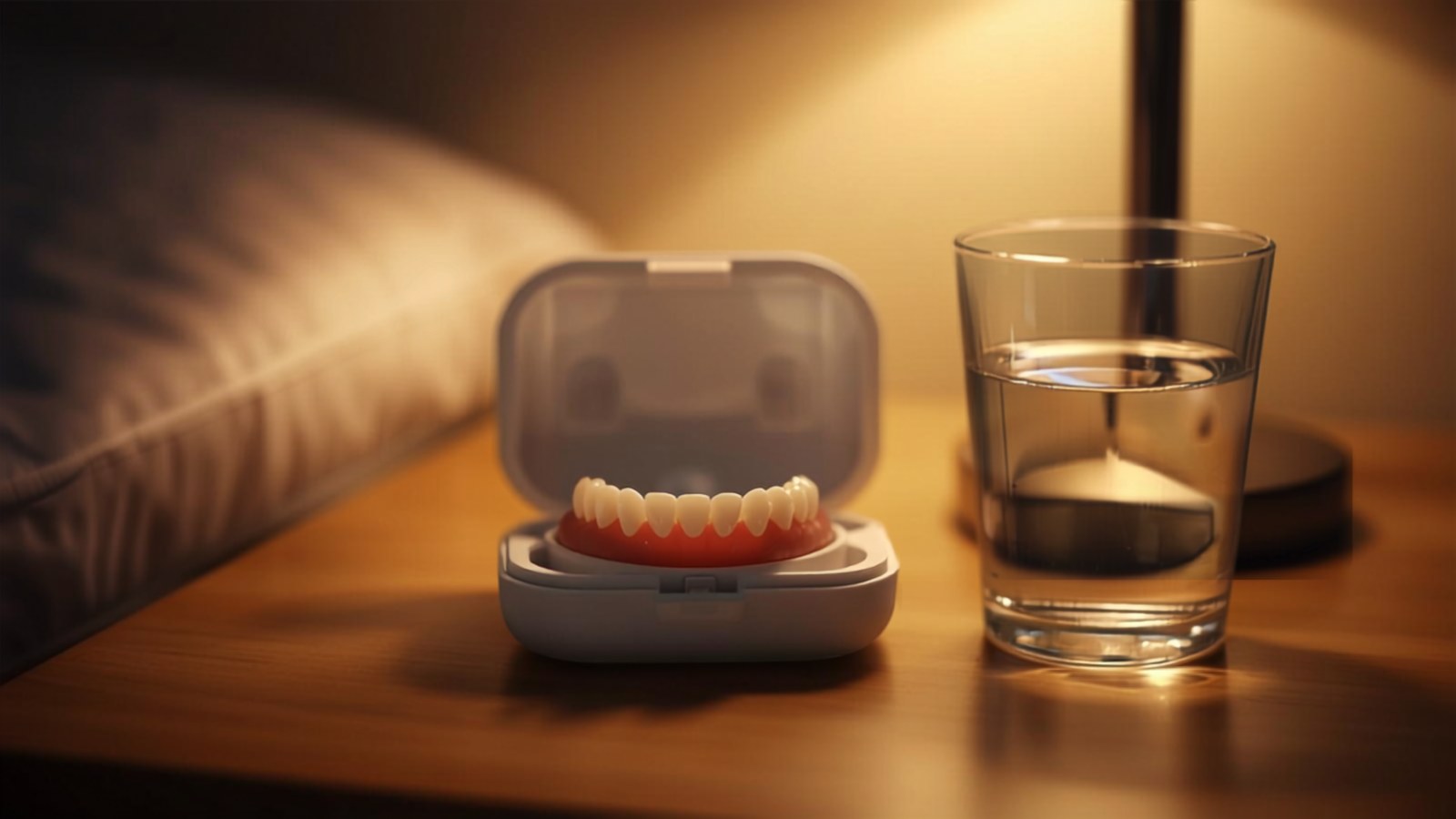
Call without waiting for your next appointment if you notice:
If the symptom is serious, such as trouble swallowing or breathing, or swelling that spreads quickly, go to the emergency room.
The published Miami market range for an immediate denture is $2,500 to $4,000 per arch, without insurance. The final price depends on your case: how many extractions are needed, whether the denture is full or partial, and which adjustments and relines are included. It’s also worth asking how much the final stage would cost, whether that’s a hard reline or a new denture. If you have a Medicare Advantage plan or other dental insurance, coverage varies a lot from one plan to another; what matters is verifying it before you start and having the price in writing.
PureSmile Miami opens November 1, 2026 in Kendall. We’ll explain every stage of your denture, in English or Spanish, and take the time to answer your questions. We’ll verify your plan for free and give you the price in writing before we start. Write to us here and we’ll get in touch.